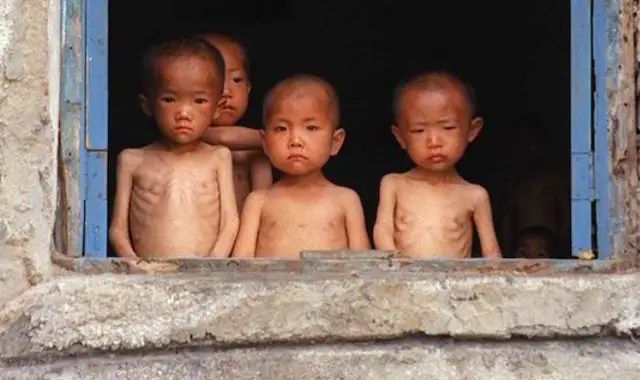
In a world where geopolitical tensions often overshadow humanitarian concerns, the Enhancing North Korea Humanitarian Assistance Act seeks to prioritize aid for those in dire need. This legislation aims to streamline and expand the delivery of essential humanitarian aid to the people of North Korea, who continue to face food shortages, medical crises, and economic hardship.
The Need for Humanitarian Assistance
North Korea remains one of the most isolated nations in the world, with strict government controls and international sanctions limiting economic and humanitarian activities. As a result, millions of North Koreans suffer from malnutrition, lack access to medical care, and endure harsh living conditions. While global sanctions are intended to pressure the government, they often inadvertently affect ordinary citizens the most, making humanitarian efforts both essential and challenging.
What This Act Proposes
The Enhancing North Korea Humanitarian Assistance Act is designed to:
- Clarify and ease restrictions on the provision of humanitarian aid, ensuring that essential resources such as food, medicine, and medical equipment can reach those in need without unnecessary delays.
- Support NGOs and aid organizations by reducing bureaucratic barriers that hinder their operations in North Korea.
- Encourage diplomatic efforts to facilitate humanitarian outreach while maintaining international security objectives.
- Ensure transparency and accountability in aid distribution, mitigating concerns about resources being misused or redirected by the North Korean government.
The Impact on Human Lives
For many North Koreans, access to humanitarian aid can mean the difference between life and death. Malnutrition and disease remain pervasive, especially among children and vulnerable populations. Expanding aid efforts under this act could improve health outcomes, reduce infant mortality rates, and provide much-needed medical supplies for hospitals that struggle with limited resources.
Additionally, food security is a major concern. North Korea’s agricultural sector is often plagued by poor weather conditions, outdated farming practices, and government mismanagement. International aid plays a crucial role in supplementing food supplies and preventing large-scale famine.
Balancing Humanitarianism and Policy
One of the primary challenges in providing aid to North Korea is navigating the complex political landscape. Critics argue that easing restrictions might allow the North Korean government to exploit international assistance for its own benefit. However, supporters of the act emphasize that humanitarian aid should not be used as a bargaining chip in political negotiations. Instead, it should be viewed as a moral obligation to assist those in desperate need, regardless of their government’s policies.
By implementing measures for greater transparency and working closely with international organizations, the act seeks to strike a balance between humanitarianism and accountability. It acknowledges that while sanctions play a role in maintaining international pressure, they should not come at the cost of human lives.
How You Can Support Humanitarian Efforts
If you believe in the importance of humanitarian access, there are several ways to take action:
- Raise Awareness: Share information about the challenges faced by North Koreans and the significance of this act.
- Support NGOs: Organizations such as the World Food Programme, UNICEF, and other humanitarian groups work to provide aid to North Korea.
- Advocate for Policy Change: Contact policymakers and express support for legislation that prioritizes humanitarian needs.
- Educate Yourself and Others: Understanding the historical and political context of North Korea’s humanitarian crisis can help drive informed discussions and advocacy.
Looking Ahead
The passage of the Enhancing North Korea Humanitarian Assistance Act would mark a critical step in addressing the humanitarian crisis in North Korea. While challenges remain, increasing access to food, medicine, and essential aid can improve countless lives. As global citizens, it is our responsibility to ensure that political barriers do not stand in the way of providing life-saving assistance to those who need it most.
For more updates on global humanitarian efforts and policy developments, stay connected with my blog.

 Teens Connect The World: Brain, Children and Love
Leave a comment