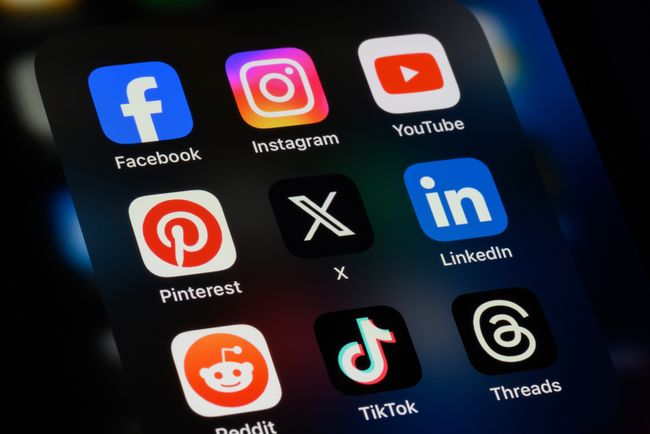
In the modern digital era, social media has become an integral part of everyday life. It serves as a powerful tool for communication, education, and entertainment, yet its effects on mental health remain a subject of growing concern. While social media offers numerous benefits, its potential negative impacts cannot be ignored. This article explores both the positive and negative implications of social media on mental health and highlights ways to strike a healthy balance.
The Positive Impacts of Social Media on Mental Health
1. Connection and Social Support
Social media platforms allow individuals to stay connected with friends, family, and communities, reducing feelings of isolation. For those struggling with mental health issues, online support groups provide a sense of belonging and a space to share experiences without fear of judgment.
2. Awareness and Access to Mental Health Resources
Social media has been instrumental in raising awareness about mental health issues. Educational content from professionals, advocacy groups, and influencers helps to reduce stigma and encourage open discussions about mental well-being. Many individuals also use these platforms to access therapy resources, mindfulness practices, and self-care tips.
3. A Platform for Self-Expression and Advocacy
Social media enables users to express themselves creatively, whether through art, writing, or videos. It also provides a platform for advocacy, allowing individuals to share personal stories and support social causes, which can be empowering and mentally uplifting.
4. Opportunities for Learning and Career Growth
From educational videos to networking opportunities, social media offers a vast array of resources that help individuals develop new skills and advance their careers. This sense of purpose and productivity can contribute positively to self-esteem and motivation.
The Negative Impacts of Social Media on Mental Health
1. Comparison and Low Self-Esteem
One of the most significant drawbacks of social media is the culture of comparison. People often showcase only the best aspects of their lives, creating unrealistic expectations. Constant exposure to curated images and lifestyles can lead to feelings of inadequacy, low self-esteem, and body image issues.
2. Cyberbullying and Online Harassment
Unlike face-to-face interactions, social media can sometimes foster hostility and negativity. Cyberbullying and online harassment can cause severe emotional distress, leading to anxiety, depression, and even suicidal thoughts in extreme cases.
3. Social Media Addiction and Time Consumption
Excessive use of social media can lead to addiction, reducing real-life interactions and productivity. Mindless scrolling and seeking validation through likes and comments can interfere with daily responsibilities and mental well-being.
4. Spread of Misinformation and Anxiety
Social media platforms are breeding grounds for misinformation, especially regarding health-related topics. Exposure to misleading content can create unnecessary fear, stress, and confusion, exacerbating mental health struggles.
5. Privacy and Security Concerns
Sharing personal information online poses risks to privacy and security. Fear of data breaches, cyberstalking, and judgment from others can contribute to heightened stress and anxiety.
Striking a Healthy Balance
To harness the benefits of social media while minimizing its negative effects, it is essential to cultivate mindful usage habits. Here are some practical tips:
- Set Time Limits: Avoid excessive use by setting daily screen time restrictions.
- Follow Positive Content: Curate your feed to include motivational and educational content rather than negative influences.
- Engage in Offline Activities: Prioritize real-life relationships, hobbies, and physical activities.
- Think Before You Post: Be mindful of what you share to protect your privacy and mental peace.
- Seek Help When Needed: If social media is negatively impacting your mental health, consider taking breaks or seeking professional guidance.
Conclusion
Social media is neither entirely good nor entirely bad—it is a tool whose impact depends on how it is used. When leveraged wisely, it can be a source of support, education, and personal growth. However, unchecked usage can lead to detrimental mental health effects. By adopting mindful social media habits, individuals can enjoy its advantages while safeguarding their well-being.

 Teens Connect The World: Brain, Children and Love
Leave a comment